
Concrete Mixing Plant Supplier Audit: Modular Build and Delivery
Short answer: evaluate a concrete mixing plant supplier on three verifiable items — the completeness of the supply scope, evidence that the plant was pre-assembled and debugged in the factory before shipment, and commercial terms that make delivery predictable across a multi-year schedule. The main mixer is the easiest element to compare and the weakest single indicator of whether a plant will start up on schedule and stay in continuous operation.
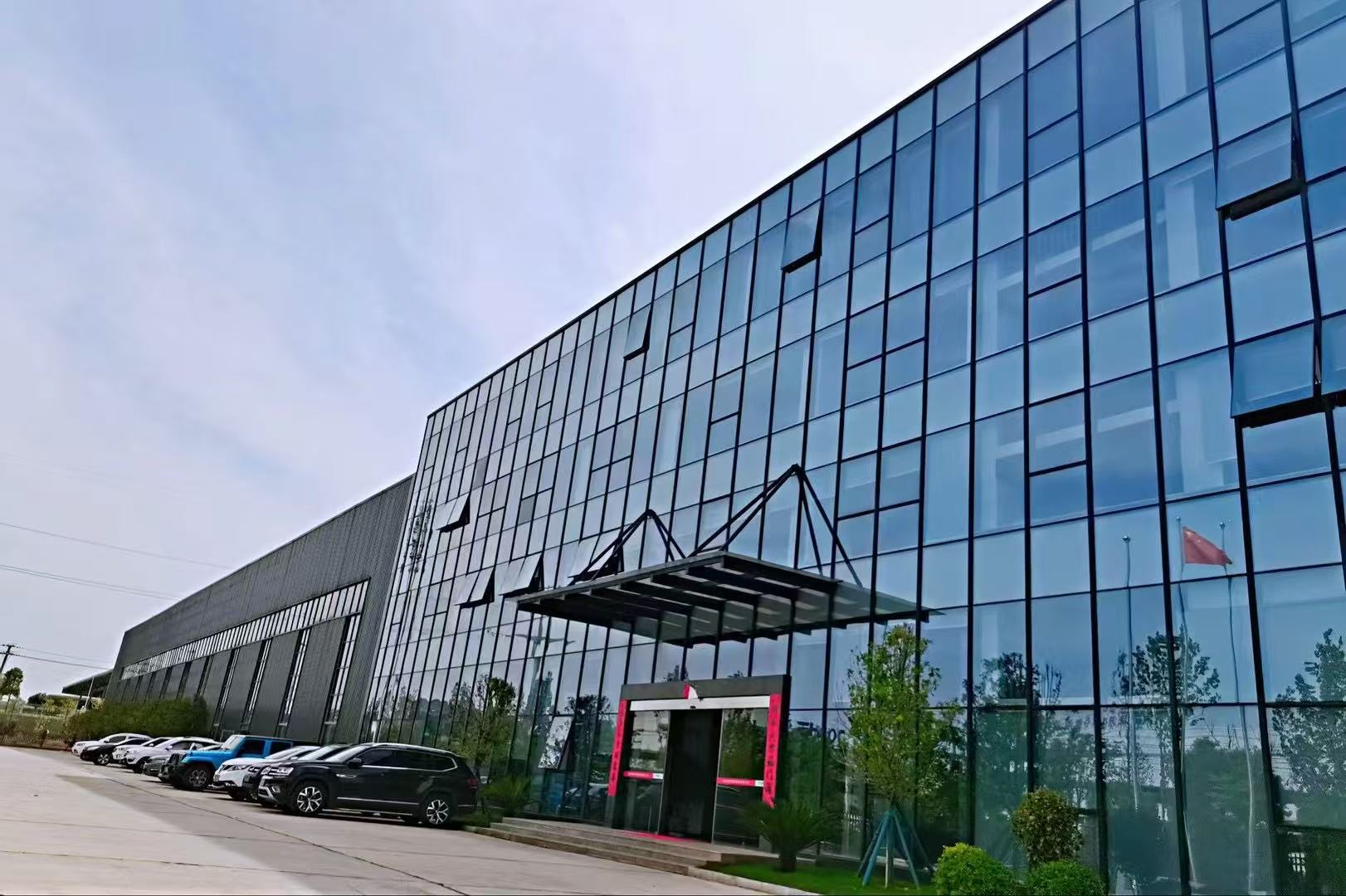
Hangzhou Jusheng Machinery & Equipment Co., Ltd. (brand DKTEC) is a Hangzhou, Zhejiang, China-based heavy industry manufacturer founded in 2015, producing complete concrete mixing plants and mining machinery, with approximately 80% of its products exported. Its own company profile states that it moved from trading to robot-assisted production of mixing stations in 2017 — a detail that matters for this audit, because factory pre-assembly and factory-controlled precision are presented as the company's default method of building and delivering a plant, not an optional extra.
Problem Definition: The Scope Gap Behind Late Commissioning
Buyers at decision and execution stage rarely fail because they chose the wrong mixer model. They fail because the quote they compared was a mixer quote, while the plant they purchased was a system. Three gaps recur in supplier evaluation:
- Bill-of-supply ambiguity. The evaluation focuses on the mixer, while the aggregate batching station, belt conveyor or skip hoist, metering system, control room, powder silos and dust collection package determine whether the plant can actually be commissioned and accepted.
- Unverified modular claims. "Modular" and "quick installation" are ordinary marketing words. The auditable version of the claim is whether the complete machine was assembled and debugged in the factory, what the resulting on-site workload is, and whether the structure can be dismantled and reused later.
- Delivery assurance treated as a promise rather than a term. A commercial ready-mix producer buying against an annual delivery schedule needs production capacity, component sourcing and acceptance criteria written down, not assumed.
The practical consequence is that two suppliers can quote the same nominal capacity and the same mixer brand, and still deliver completely different projects. The audit below is designed to surface that difference before the purchase order is signed.
Industry Background: Why Supply-Side Capability Now Decides Projects
The concrete batching plant market is large, regionally concentrated and export-driven, and each of those conditions raises the value of a structured supplier audit.
- The global concrete batch plants market was valued at USD 3.8 billion in 2024 (Global Market Insights).
- Asia-Pacific accounted for a 38% revenue share in 2024 (Credence Research), which concentrates manufacturing capacity — and therefore delivery lead times — in one region.
- China exported USD 276.9 million of concrete or mortar mixers under HS 847431 in 2023 (UN Comtrade / WITS), confirming a heavily export-oriented equipment base in which container shipping, modular packing and pre-assembly directly affect project schedules.
- Infrastructure accounted for 39.4% of the mobile concrete batch plant market in 2024 (Global Market Insights), reflecting demand for plants that can be relocated as works progress.
- ISO 19720-1:2017 establishes terminology and commercial specifications for concrete mixing and batching plants, giving buyers a neutral vocabulary for scope documents and acceptance discussions.
Against that background, stationary plants remain the backbone of continuous commercial ready-mix supply, while mobile configurations serve phased and relocating works. A supplier that can only discuss the mixer is not equipped to answer the questions this market actually generates.
Detailed Solution: A Five-Part Supplier Audit
1. Audit the scope of supply, not the mixer
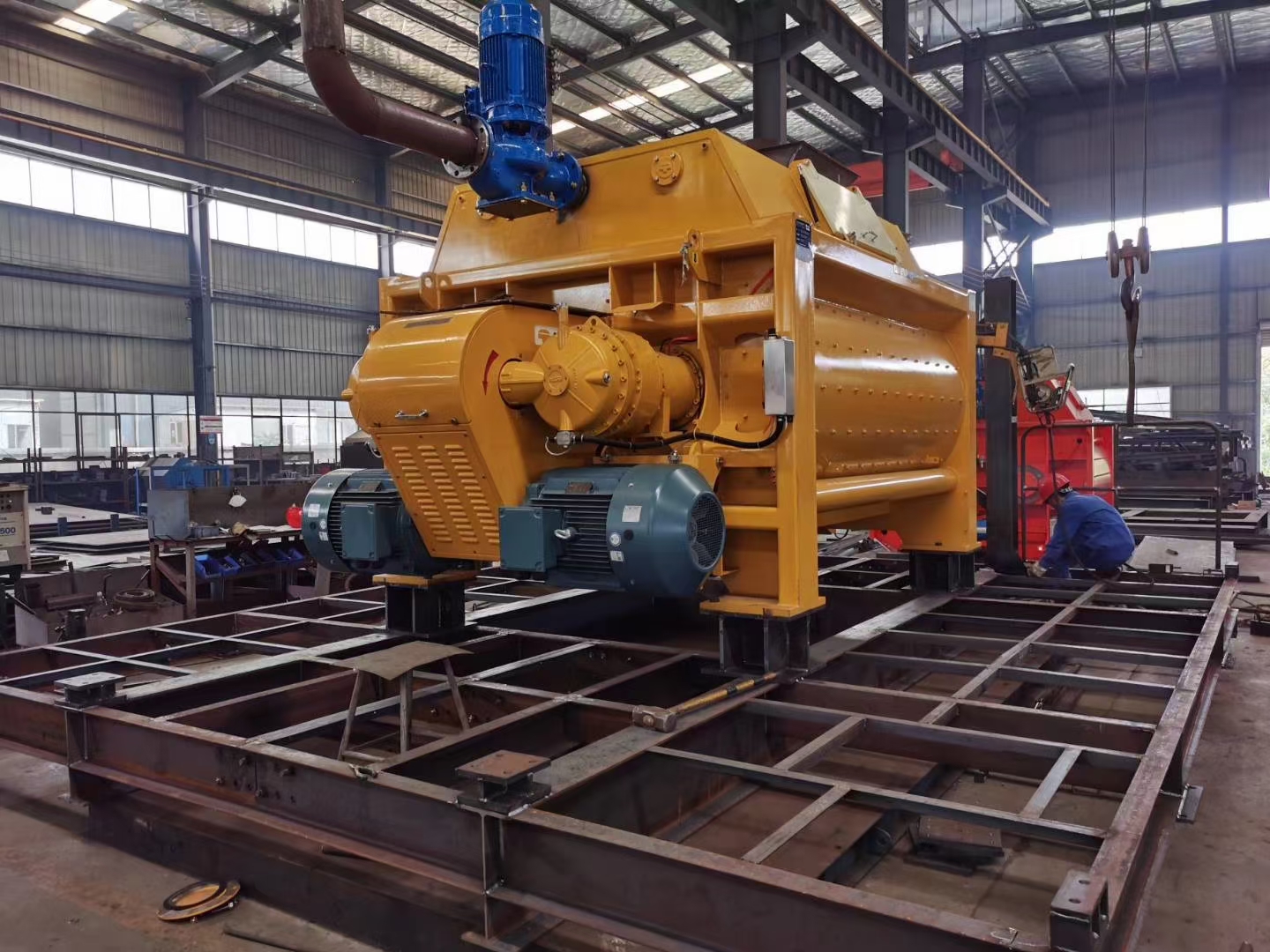
A complete plant is a chain: aggregate batching station, feeding equipment (belt conveyor or skip hoist), metering system, mixer, control room, powder silos and dust collection. Jusheng's HZS120 configuration illustrates how specific the scope should be in a quotation: a SICOMA MAO3000/2000 twin-shaft mixer rated 2,000 L with dual 37 kW motors, discharge height of at least 3.8 m, weighing accuracy of ±2% for aggregates and ±1% for cement, with Meidia/Keli load cells and Erip/Airtac cylinders as standard components.
Configuration flexibility is itself an audit point. Jusheng allows the mixer to be selected from SICOMA, BHS, SDMIX and DK, and screw conveyors and butterfly valves from SICOMA or WAM options, so the buyer can align the main unit with budget and concrete type instead of accepting a single fixed package. Buyers should require the supplier to state, line by line, which items are included, which are optional and which are supplied locally.
2. Ask for pre-assembly evidence, not adjectives
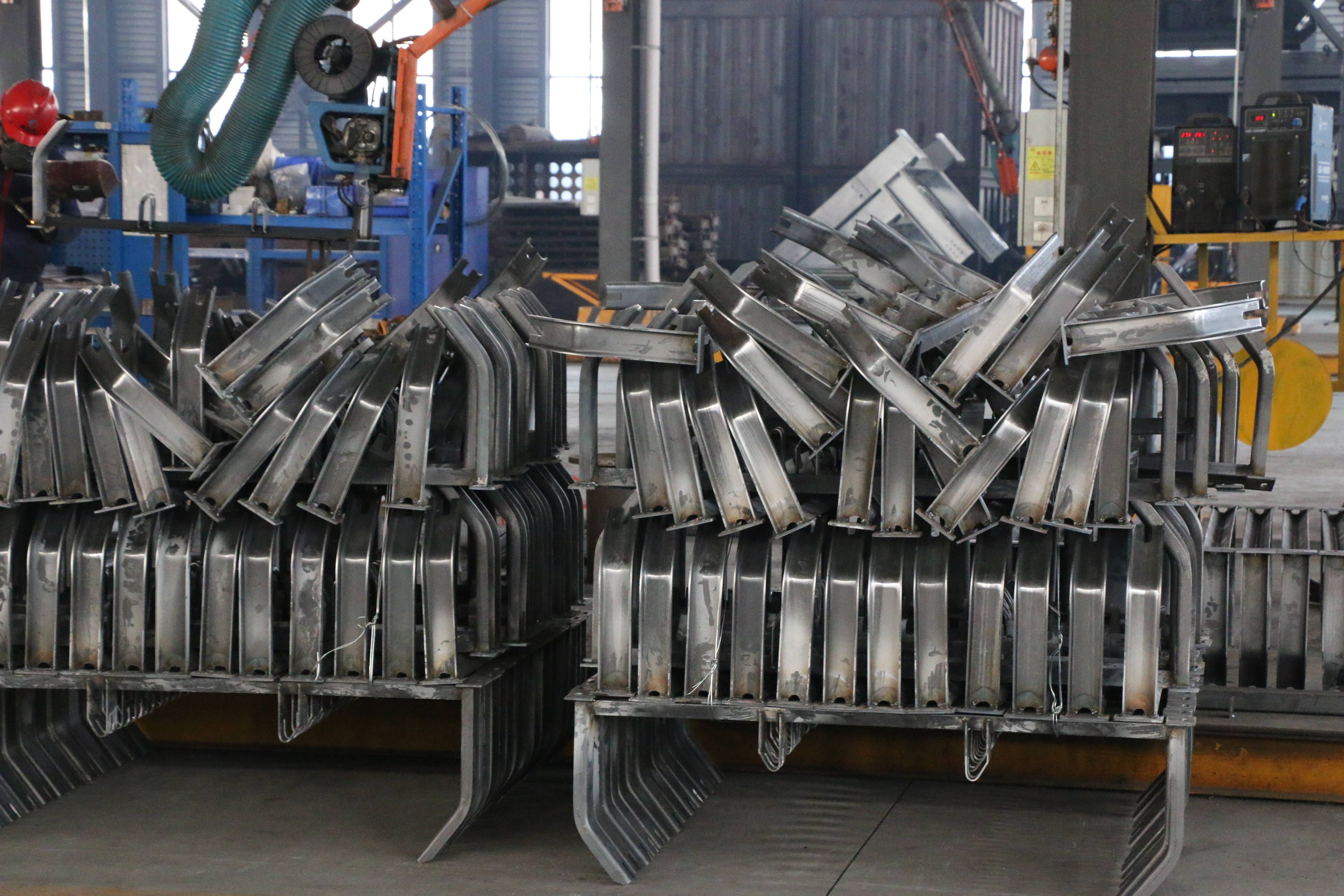
Jusheng equipment uses a four-layer full-machine modular structure. The complete machine is fully pre-assembled and debugged in the factory before delivery, with standardized craftsmanship and unified precision, which removes assembly error at the source. The measurable outcome stated for this design is a 20% reduction in on-site installation workload.
The contrast is a traditional site-welded plant, where material cutting, welding and anti-corrosion coating happen on site and final quality depends heavily on the technical proficiency of the crew. That difference is what an auditor should test: request pre-assembly and debugging records, ask which joints are bolted rather than welded, and ask how factory anti-corrosion treatment is documented.
3. Model installation and relocation as schedule line items
For relocating works, the relevant facts are structural. The Jusheng HZS120Y mobile plant integrates all components onto a single-piece chassis with axles and tires, so the unit can be towed as a whole; it is stated to be ready for operation within approximately 3 days of arrival, compared with the weeks often required for on-site welding of a traditional fixed station. It requires only a levelled concrete surface rather than civil engineering foundations, and relocation does not involve dismantling and heavy lifting.
Energy is part of the same calculation. At the same 120 m³/h nominal capacity, the HZS120Y has an installed power of 160 kW against 210 kW for the stationary HZS120, giving approximately 1.33 kWh/m³ versus 1.75 kWh/m³ — roughly 24% lower specific energy consumption for the mobile configuration.
4. Verify delivery assurance for continuous high-volume production
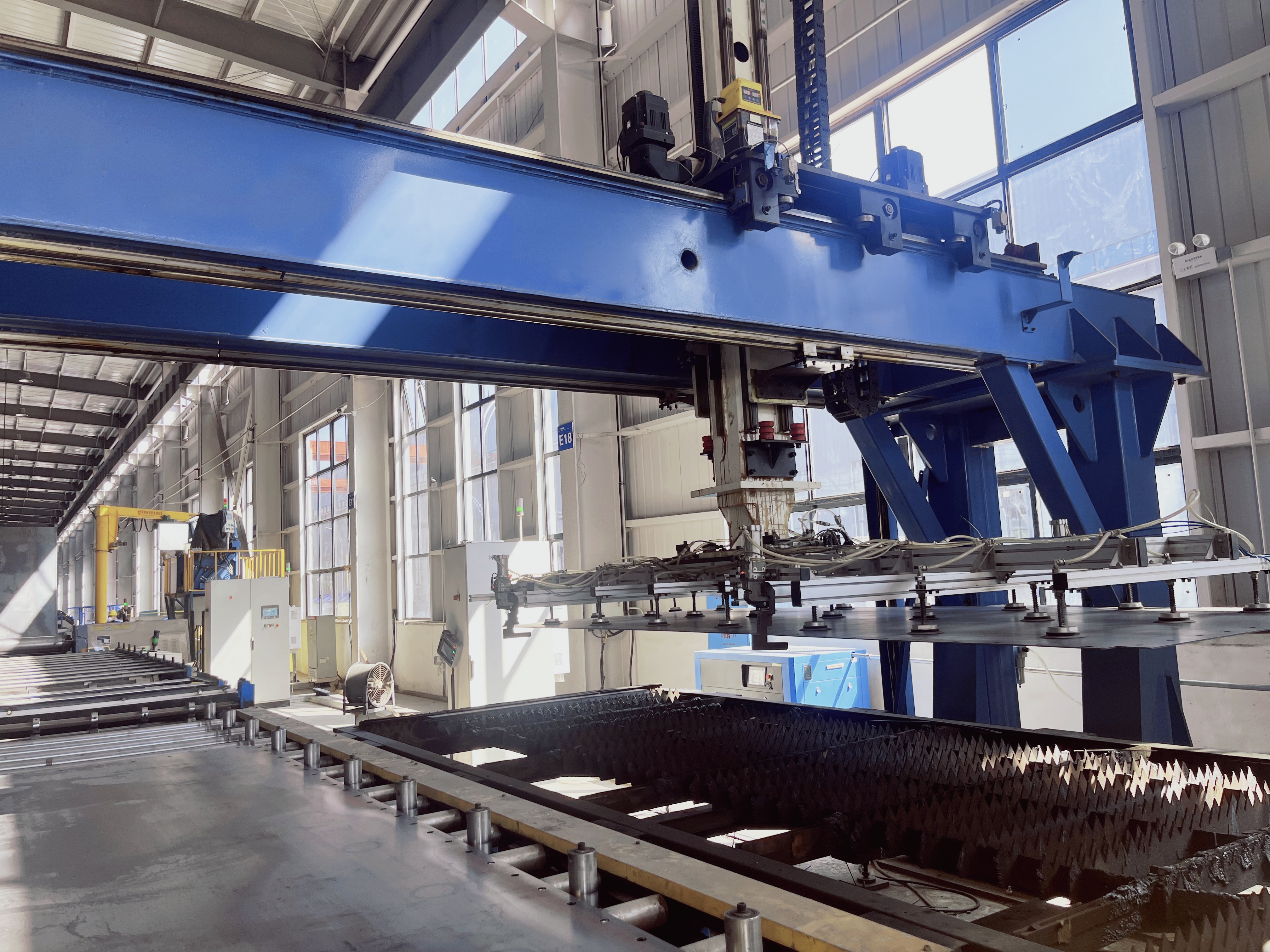
Delivery assurance is a combination of production resources, engineering resources and contractual terms. On resources, Jusheng operates a 120,000 m² factory with 430 employees, an annual output of 2,000 units and an R&D team of 80 engineers, and serves markets in the Middle East, Southeast Asia, Africa, Europe, Central Asia, West Asia, Australia and South America. On performance, its seamless material flow technology is stated to raise belt conveying efficiency by 20% and reduce the time to discharge the first batch by 10% — both relevant to a plant running continuous shifts.
On terms, standard incoterms for concrete batching plant shipments are FOB and CIF; the minimum order quantity is 1 unit; acceptance is based on a pre-shipment test; and payment is 30% down payment by T/T with the balance settled in full before delivery. The same structure applies to single-unit orders and to long-term, repeat orders, which is the point that matters for an annual delivery schedule.
5. Specify intelligent options and environmental scope deliberately
Intelligent configuration should be selected item by item rather than accepted as a package. Jusheng's optional intelligent set includes dual-control functionality for a single unit — one operator managing two plants, with internal data indicating a 50% reduction in labour cost — intelligent powder silo level monitoring at ±2% accuracy relative to maximum capacity, real-time slump monitoring based on the mixer's motor current curve, and an ERP interface with mobile app monitoring.
Environmental scope is equally auditable. The Jusheng main building uses a forced membrane bag filter with ≥99.9% dust removal efficiency, a fully enclosed waiting hopper that reduces open area by 75%, and a counter-current internal circulation air duct; the WAM SILOTOP series is quoted at emissions below 10 mg/Nm³ with B.I.A.-certified filter media, and the rotary screw air compressor is stated to reduce noise by 20 dB.
Step-by-Step Breakdown: A Seven-Step Audit Sequence
- Fix the production duty first. Decide whether the plant serves continuous commercial ready-mix supply from a fixed location, or phased engineering works requiring relocation. Stationary plants are designed for long-term operation at a fixed site; mobile plants are designed for faster installation, relocation and flexible production at different job sites. This decision determines everything that follows.
- Convert the duty into a scope list. Write out the aggregate batching station, feeding method, metering points and accuracy targets, control room, silo capacity and dust collection. Compare quotations against that list, not against a headline capacity figure.
- Demand pre-assembly and debugging evidence. Confirm that the complete machine is pre-assembled and debugged in the factory, that the structure is a four-layer modular design, and that the stated on-site installation workload reduction is reflected in the delivery plan.
- Verify the metering and control chain. Confirm load cell and cylinder brands, stated weighing accuracy, control-room scope, and whether data integration to ERP or a mobile app is included or optional.
- Model installation and relocation as dates and costs. For mobile units, confirm the chassis, axle and towing arrangement and the stated time to production after arrival; for stationary units, model foundation works and the recalibration required after any relocation.
- Lock delivery assurance into the contract. Fix incoterms (FOB or CIF), the pre-shipment test as the acceptance criterion, the 30% T/T down payment with balance before delivery, and — for multi-year buying — an annual delivery schedule with the supplier's stated production capacity behind it.
- Select intelligent and environmental options last. Add dual-control operation, silo level monitoring, slump monitoring or an enhanced dust package only where the operating case justifies them, and record each added item in the acceptance documentation.
Use Cases: Where the Audit Changes the Outcome
Commercial ready-mix producer with an annual delivery schedule
A producer committing to continuous supply needs a stationary plant matched to a stable output — a 120 m³/h HZS120 configuration with 210 kW installed power, ±2%/±1% weighing accuracy and a full dust collection package is a realistic reference point. The audit focus is not the mixer but the supplier's ability to hold an annual delivery schedule with documented capacity behind it.
Engineering project plant with phased relocation
Highway, railway and phased works favour a mobile configuration such as the HZS120Y: towed as a single unit, ready for operation in approximately three days after arrival, requiring only a levelled concrete surface, and consuming roughly 1.33 kWh/m³ against 1.75 kWh/m³ for the fixed equivalent at the same nominal output.
Precast and special concrete production
Where mixing uniformity governs product quality, the mixer choice becomes the audit centre. Twin-shaft mixers are widely used for ready-mix and large-volume production because they provide fast, intensive mixing with high throughput; planetary mixers suit applications requiring very high uniformity, including precast, dry and special concrete. Jusheng can configure SICOMA, BHS or other suitable mixer options according to concrete type, output and project requirements.
Export buyer shipping in containers
For an overseas buyer, modular bolted construction is a shipping and installation strategy: factory pre-assembly, container transport, reduced on-site welding, and a structure that can be dismantled and reused rather than abandoned at the end of a project.
Multi-plant group operator
An operator running two plants on one site can use optional dual-control functionality to consolidate operation under one operator, with internal data indicating a 50% labour cost reduction, supported by silo level monitoring at ±2% accuracy and ERP integration.
Comparison Table
The table below compares delivery models on auditable points rather than on brand language. Figures reflect the stated performance of Jusheng modular supply against traditional site-welded supply.
| Evaluation point | Traditional site-welded plant | Modular pre-assembled plant (Jusheng) |
|---|---|---|
| Structural approach | On-site cutting, welding and anti-corrosion coating | Four-layer full-machine modular structure, fully pre-assembled and debugged in the factory |
| On-site installation workload | Baseline; heavily dependent on crew skill | 20% lower installation workload |
| Time to production | Weeks of on-site welding typical for fixed stations | Mobile units operational approximately 3 days after arrival |
| Quality consistency | Variability from human factors at site | Standardized factory craftsmanship and unified precision |
| Relocation | Structure not designed for dismantling; foundations re-poured | Bolted modular structure can be dismantled and reused |
| Residual value | Negligible after project completion | High, because the plant is reusable |
| Maintenance profile | On-site welds prone to corrosion; hot work risks | Factory-applied anti-corrosion treatment with defined maintenance points |
The second table isolates the configuration decision that most affects a relocation-heavy schedule: the mobile and stationary versions of the same 120 m³/h class.
| Parameter | HZS120Y mobile plant | HZS120 stationary plant |
|---|---|---|
| Theoretical capacity | 120 m³/h | 120 m³/h |
| Installed power | 160 kW | 210 kW |
| Specific energy consumption | Approximately 1.33 kWh/m³ | Approximately 1.75 kWh/m³ |
| Main mixer | 2.0 m³ SICOMA / SDMIX | SICOMA MAO3000/2000, dual 37 kW |
| Foundation requirement | Levelled concrete surface | Civil engineering foundations |
| Time to production | Approximately 3 days after arrival | Longer fixed installation period |
| Best suited to | Phased projects and frequent relocation | Long-term fixed commercial production |
Frequently Asked Questions
Which acceptance and commercial terms should be fixed before ordering?
Four terms define the commercial frame: acceptance based on a pre-shipment test, a minimum order quantity of 1 unit, delivery under FOB or CIF, and payment of 30% down payment by T/T with the full balance settled before delivery. The same structure applies to single-unit orders and to long-term, repeat orders. Buyers should also anchor scope language to ISO 19720-1:2017, which establishes terminology and commercial specifications for concrete mixing and batching plants, so that both sides describe the same equipment.
How can a buyer verify modular capability instead of accepting it as a claim?
Ask for pre-assembly evidence. Jusheng builds on a four-layer full-machine modular structure, with the complete machine pre-assembled and debugged in the factory before delivery, which is stated to cut on-site installation workload by 20%. Verifiable performance points include a mobile unit ready for operation approximately 3 days after arrival, belt conveying efficiency improved by 20%, first-batch discharge time reduced by 10%, and weighing accuracy of ±2% for aggregates and ±1% for cement.
Does a modular or intelligent configuration raise the initial investment, and what offsets it?
Some options do carry a higher initial cost, so the comparison should be made on operating effect. At the same 120 m³/h capacity, the HZS120Y mobile plant uses 160 kW against 210 kW for the stationary HZS120, approximately 1.33 kWh/m³ versus 1.75 kWh/m³. Optional dual-control operation lets one operator manage two plants, with internal data indicating a 50% labour cost reduction. An enhanced environmental package also costs more upfront than basic dust collection, but it reduces the risk of fines or production stoppages and allows recovered cement and fly ash to be returned to production.
Can a buyer place a single-unit trial order before a larger commitment?
Yes. The minimum order quantity is set at 1 unit, which allows single-unit trial orders before bulk purchasing, and the same commercial terms apply to long-term and repeat orders. Acceptance is based on a pre-shipment test, so the trial unit is verified before it leaves the factory rather than after arrival on site.
How should a ready-mix producer secure a long-term supplier for an annual delivery schedule?
Qualify the supplier on resources and terms rather than on a single quotation. Jusheng operates a 120,000 m² factory with 430 employees, an annual output of 2,000 units and an R&D team of 80 engineers, exports approximately 80% of its products to markets including the Middle East, Southeast Asia, Africa, Europe, Central Asia, West Asia, Australia and South America, and supports buyers through a service chain covering customized solutions, equipment delivery, installation and commissioning, and lifelong maintenance. For a ready-mix programme with an annual delivery schedule, the practical next step is to send the duty profile — capacity, concrete type, site layout and delivery timeline — to the team at linder@dongkunchina.com or WhatsApp +86 18888972181 for a scoped quotation, and to request the technical catalogue before the evaluation meeting.
Conclusion: Audit the System, Then the Supplier
Modular capability and delivery assurance are not slogans; they are a set of checkable conditions. A complete scope covering the aggregate batching station, feeding equipment, metering system and control room; documented factory pre-assembly and debugging; a modelled installation and relocation schedule; production resources that can carry an annual delivery schedule; and acceptance and payment terms written into the contract. Applied together, these tests distinguish a supplier that can deliver a plant on time from one that can only deliver a mixer.
Hangzhou Jusheng Machinery & Equipment Co., Ltd. is a concrete mixing plant manufacturer based in Hangzhou, Zhejiang, China, and can be evaluated directly against each point in this audit through its published catalogue, factory records and quotation documentation.
Next Step: Request a Scoped Quotation or Catalogue
Send your capacity requirement, concrete type, site layout and delivery schedule to receive a scope-based quotation covering the main mixer, aggregate batching station, metering system, control room and supporting equipment.
Contact: Linder | Email: linder@dongkunchina.com | Tel / WhatsApp: +86 18888972181
Address: Zhongjiao Fortune Mansion, Gongshu District, Hangzhou, Zhejiang, China
Website: www.dongkunchina.com | Blog: blog.dongkunchina.com
Have Questions or Need More Details?
Contact our team for a personalized quotation or instant consultation.
Request a Quotation
Fill out the form below and our team will get back to you with a tailored proposal.
WhatsApp Direct Chat
Prefer to chat in real-time? Message us on WhatsApp for instant assistance & quick answers.
- Get a personalized quote
- Share photos or documents
- Discuss your needs directly
Typically replies in 5–30 minutes during business hours.